
Loneliness after trauma is one of the quietest wounds a person can carry. It does not always look dramatic from the outside. Someone may still go to work, answer messages, take care of family, and appear functional while privately feeling disconnected, unseen, and emotionally far away from everyone around them. That is why loneliness can become one of the most overlooked silent injuries.
Trauma can change the way a person experiences connection. After emotional harm, abuse, loss, betrayal, chronic stress, or repeated exposure to distress, relationships may no longer feel simple. A person may want support but feel afraid of being misunderstood. They may crave closeness but pull away when someone gets too near. They may feel lonely even in a room full of people because their nervous system no longer feels safe enough to fully relax.
This topic matters in 2026 because loneliness is now recognized as a major public health concern. The World Health Organization has reported that one in six people worldwide is affected by loneliness, with serious effects on health and well-being. You can review the WHO’s overview on social connection and health.
For Silent Injuries readers, this connects naturally with existing resources such as Silent Injuries in Everyday Life, The Long-Term Effects of Silent Injuries, and Complex Trauma in 2026.
Why Loneliness After Trauma Feels Different
Ordinary loneliness can happen when someone lacks contact, friendship, or community. Loneliness after trauma can go deeper. It may happen even when people are nearby. That is because trauma can affect trust, safety, self-worth, emotional regulation, and the ability to ask for help. A survivor may not simply need “more social plans.” They may need connection that feels safe, respectful, paced, and real.
Many people with hidden emotional wounds become skilled at appearing okay. They may smile, perform, work hard, and keep conversations light. But inside, they may feel separated from others by experiences they cannot easily explain. They may think, “No one would understand,” or “I do not want to be a burden.” Over time, that private distance can grow into chronic isolation.
Trauma can make connection feel unsafe

After trauma, the nervous system may begin to treat closeness as risky. This is especially true if the harm came through relationships, such as emotional abuse, betrayal, neglect, coercion, bullying, domestic violence, exploitation, or repeated invalidation. In those situations, connection may not feel comforting at first. It may feel unpredictable.
Someone may overthink every text, avoid calls, cancel plans, or feel exhausted after simple conversations. These behaviors can look like disinterest from the outside, but they may actually be protection. The person is not trying to be distant. Their system may be trying to avoid shame, rejection, conflict, or emotional overwhelm.
Isolation can become a survival strategy
Pulling away can feel safer in the short term. If no one gets close, no one can disappoint you. If you do not explain your pain, no one can minimize it. If you stay busy, you do not have to feel the full weight of what happened. The problem is that a survival strategy can slowly become a cage. What once protected you may eventually keep you from receiving care.
Feeling lonely does not mean you are failing
Loneliness is often misunderstood as a personal weakness. It is not. After trauma, loneliness can be a signal that your need for safety and connection has been disrupted. You are not weak for needing people. You are not dramatic for struggling to trust. Human beings are built for connection, and healing often needs some form of safe relationship, even if it starts small.
Signs loneliness is becoming a silent injury
Loneliness becomes more concerning when it starts shaping daily life. You may notice trouble sleeping, emotional numbness, irritability, hopeless thoughts, loss of interest, body tension, difficulty focusing, or feeling like you are watching life from the outside. You may avoid people you care about, not because you stopped loving them, but because reaching out feels too heavy.
Digital habits can also complicate loneliness. Scrolling may create the illusion of contact without the nourishment of real connection. A person can spend hours online and still feel more alone afterward. This links closely with Digital Overload and Hidden Trauma, where constant online input can leave the nervous system more activated instead of supported.
Online contact is not always emotional connection
Messages, likes, comments, and short updates can be useful, but they do not always meet the deeper need to feel known. If online contact leaves you comparing, hiding, performing, or feeling more invisible, it may not be the kind of connection your healing needs. Sometimes the healthiest step is not more digital interaction, but one safer human conversation.
How to Rebuild Support Without Forcing Yourself
Healing loneliness after trauma does not mean suddenly becoming social, trusting everyone, or sharing your story before you are ready. Reconnection should be paced. For many survivors, the first step is not a big emotional conversation. It may be sending one honest message, attending one support group, sitting near people in a calm place, or telling a therapist, “I feel alone, but I do not know how to talk about it.”
Start with low-pressure connection. Choose people who respect boundaries, listen without rushing, and do not demand details. You do not owe your full story to anyone. Safe connection should create more steadiness, not more shame. If someone repeatedly dismisses your pain, pressures you, or makes your healing about their comfort, they may not be the right person for this part of your recovery.
Gentle ways to reconnect with people
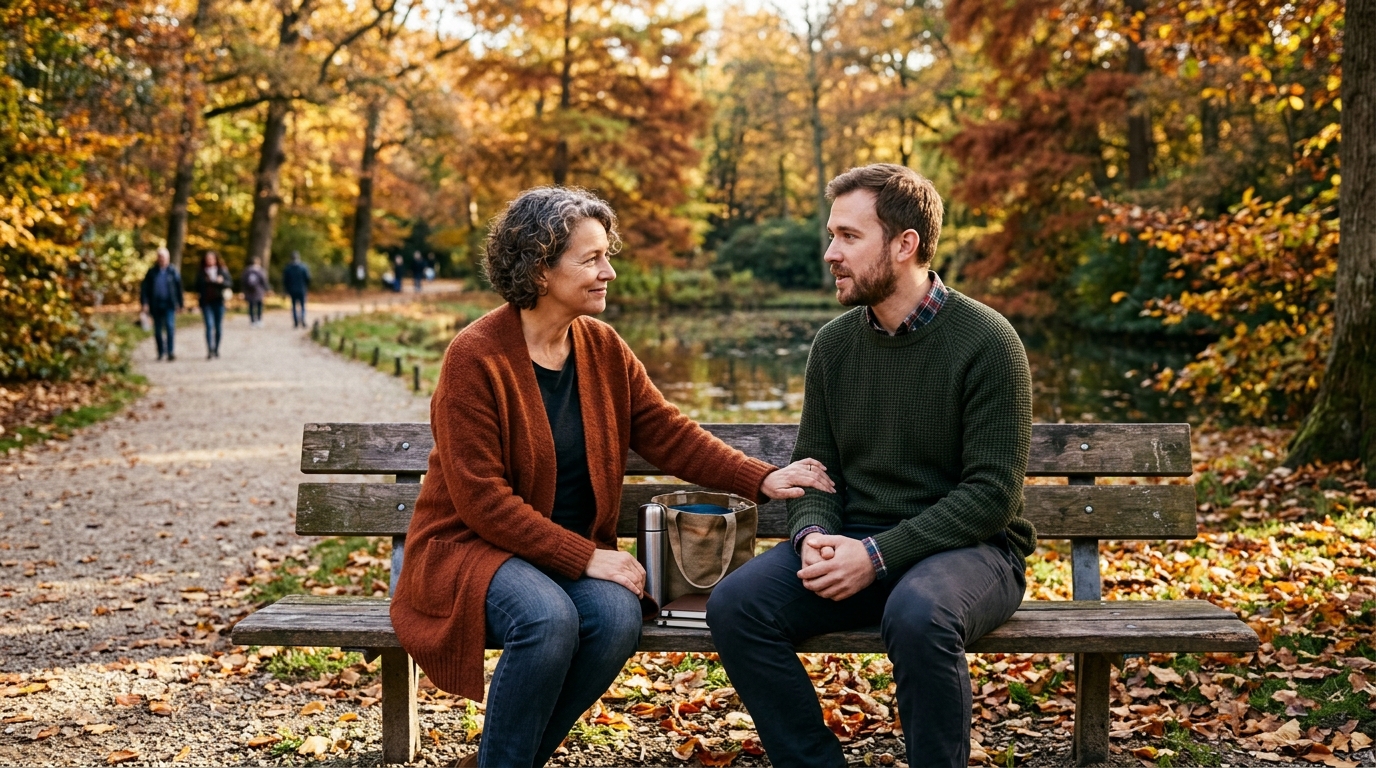
One small step is to name what you need in simple language. You might say, “I do not need advice right now. I just need someone to listen.” Or, “I have been isolating, and I am trying to reconnect slowly.” These sentences can feel vulnerable, but they help reduce misunderstanding. People who care about you may not know how to help unless you give them a small doorway in.
Another step is to create predictable connection. Trauma often makes unpredictability harder. A weekly walk, a regular phone call, a support group, a therapy appointment, or a quiet coffee with one trusted person can feel safer than random social pressure. Predictability helps the nervous system learn that connection does not always have to mean danger.
Therapy may also help, especially when loneliness is tied to complex trauma, grief, shame, or relational fear. For some people, trauma-focused approaches such as EMDR may support recovery when painful memories or body responses keep interfering with present relationships. You can explore this more in EMDR Therapy for Trauma.
Support should feel paced, not pressured
Healthy support does not force you to disclose everything. It does not shame you for needing time. It does not turn your pain into a debate. The right kind of support helps you feel a little more grounded, a little more seen, and a little less alone. That may happen slowly, and slow progress still counts.
If loneliness is becoming overwhelming, or if you are having thoughts of harming yourself, seek immediate help from local emergency services, a crisis hotline, or a qualified mental health professional. You do not have to wait until things become unbearable to deserve support. Hidden pain is still real pain.
In conclusion, loneliness after trauma can become a silent injury because it affects the way a person sleeps, trusts, connects, works, and sees themselves. It may not be visible, but it can shape everything. Healing begins by naming the loneliness without shame, choosing safer forms of connection, and rebuilding support at a pace your nervous system can handle.
You do not need to become instantly open, social, or healed. You only need one next step toward less isolation. Sometimes recovery begins with the quiet realization that you were never meant to carry everything alone.
Disclaimer: This article is for general educational purposes only and is not a substitute for medical, mental health, or crisis care. If you feel unsafe, overwhelmed, or at risk of harming yourself or someone else, contact local emergency services or a qualified crisis support service immediately.