
Trauma does not stay neatly in the mind. That idea is getting more attention in 2026, and for good reason. More people are starting to understand that emotional wounds can leave physical fingerprints too. The body may carry tension, sleep disruption, digestive trouble, pain, exhaustion, or a constant sense of being on edge long after the original event has passed.
That is why trauma and inflammation in 2026 has become an important conversation. New PTSD research has added to a growing body of evidence suggesting that trauma-related stress can connect with low-grade inflammation in the body. That does not mean every ache is a trauma marker or that one blood test can explain someone’s whole story. It does mean the old mind-versus-body split is becoming harder to defend.
For readers of Silent Injuries, this topic fits naturally. Hidden emotional wounds often get dismissed because they do not show up like a broken bone or visible scar. Yet many survivors know what it feels like when distress starts living everywhere at once. You may feel emotionally flooded one day and physically drained the next. You may look functional on the outside while feeling wired, exhausted, numb, or inflamed on the inside.
If that sounds familiar, this article is meant to clarify the conversation rather than dramatize it. The goal is not to turn inflammation into the next mental health buzzword. The goal is to explain what newer research is saying, what it does not prove, and why it matters for people living with silent injuries.
What the newer PTSD research is actually pointing toward

Part of the current attention comes from newer research on PTSD and a biomarker called suPAR, which reflects systemic chronic inflammation. In a multicohort investigation, researchers found that PTSD was associated with higher suPAR levels, while more familiar inflammatory markers such as CRP and IL-6 did not show the same consistent pattern. That makes the conversation more specific than the older general idea that “stress affects the body.”
The reason people are talking about this now is simple. Hidden emotional wounds have always felt physical to many survivors, but research is getting better at studying how that overlap may work. A person with unresolved trauma may not only experience fear, shame, or hypervigilance. They may also live with chronic fatigue, body tension, poorer sleep, and a nervous system that never seems to fully stand down.
Why this matters beyond research headlines
For survivors, the practical value of this topic is validation. Many people have spent years being told their symptoms are “just stress,” as if stress were small, imaginary, or harmless. In reality, chronic stress can affect multiple body systems. It can influence sleep, pain, digestion, concentration, and how safe the body feels from moment to moment.
That does not mean inflammation is the whole story. Trauma recovery is still emotional, relational, social, and deeply personal. Still, the body piece matters. When people understand that trauma can have physical consequences, they often stop blaming themselves for not being able to think their way out of symptoms.
Why PTSD is not only a mental health issue
PTSD has never been only about memories. NIMH describes PTSD as a condition in which people may continue to feel stressed or frightened even when they are no longer in danger. VA resources also note that PTSD is associated with a heavier physical-health burden and increased mortality linked to chronic health conditions as well as other risks. That bigger picture matters because it reminds people that hidden trauma can shape daily life far beyond mood alone.
This is one reason your article on Recognizing the Unseen: How to Identify Silent Injuries After Trauma pairs so well with this topic. Many readers first notice the emotional signs. Later, they realize the body has been telling part of the story too.
What survivors often notice in the body first
Not everyone walks around saying, “I think trauma is affecting my inflammatory load.” Most people notice something much simpler first. They feel tense all the time. They wake up tired. Their body feels heavy, reactive, restless, or hard to calm down. They may struggle with headaches, sleep disruption, GI issues, muscle tightness, or a feeling that their system never fully resets.
Sometimes those symptoms have many possible causes, and trauma is only one piece of the picture. That is why this topic needs nuance. Trauma is not a universal explanation for every physical symptom. But when symptoms cluster around chronic stress, hypervigilance, emotional shutdown, or unresolved trauma patterns, the mind-body link becomes harder to ignore.
Why hidden trauma can feel physical even without obvious illness
The body does not need a dramatic medical crisis to show that something is wrong. Trauma can change how safe ordinary life feels. When the nervous system stays activated, the body may keep acting as if a threat is still present. Over time, that can show up as fatigue, overreactivity, startle, shallow breathing, pain sensitivity, and sleep that never feels fully restorative.
This is also why the topic fits naturally beside your post on The Long-Term Effects of Silent Injuries and How to Heal. Emotional trauma does not always disappear just because time has passed. For many people, the body keeps carrying the cost until recovery becomes more intentional.
What to Do With This Information Without Turning It Into Fear
Use the research to become more informed, not more alarmed
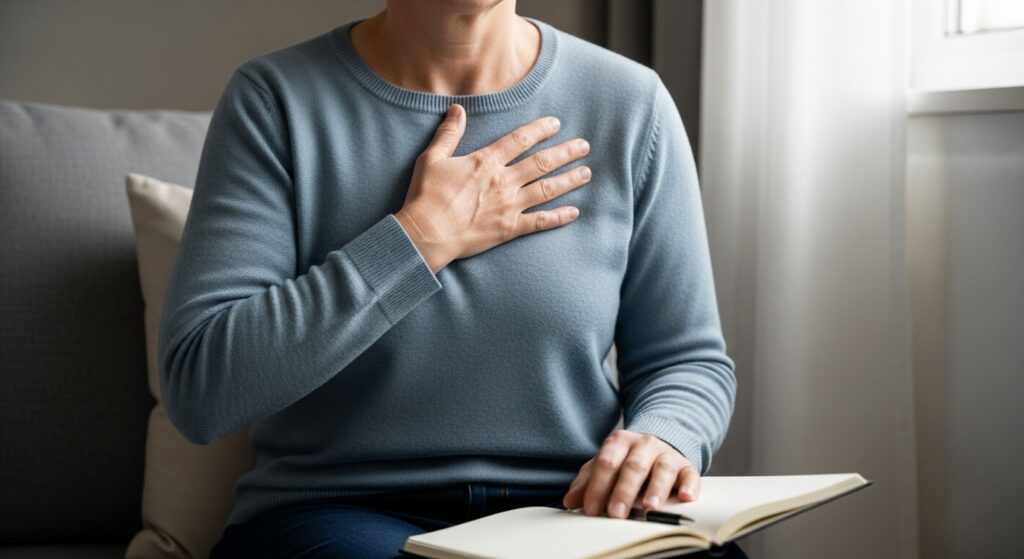
The healthiest response to this topic is not panic. It is clarity. A newer inflammation finding does not mean trauma survivors are broken beyond repair. It does not mean healing depends on chasing lab markers. It also does not mean a person should self-diagnose a complex health issue based on one article. What it does mean is that trauma deserves to be taken seriously as a whole-person issue.
That shift can be powerful. Once survivors stop splitting themselves into “mental” symptoms and “physical” symptoms, they often make better sense of what they are living with. Instead of asking, “Why am I so weak?” they start asking, “What has my system been carrying for too long?” That question opens the door to better care.
What better trauma care can look like
Good trauma care often works on several levels at once. It may involve therapy, body-based regulation, sleep support, safer routines, gentler pacing, and less self-blame. For some people, that includes structured trauma therapy. Your article on EMDR Therapy for Trauma: How It Works and Whether It’s Right for You is a strong internal next step for readers who need a treatment-focused option.
For others, the first need is broader understanding. If someone has lived through repeated emotional harm, instability, or chronic stress rather than one isolated event, your post on Complex Trauma in 2026: What the New Guidance Means for Healing Hidden Emotional Wounds helps explain why symptoms may feel layered and stubborn.
Support also matters more than people think. Trauma recovery is harder when someone is isolated, constantly overstimulated, or trying to function as if nothing happened. That is why readers may also benefit from Building a Support Network: Finding Strength in Community or Navigating Professional Life Post-Trauma: Strategies for Resilience. Healing usually works better when daily life becomes more supportive, not just more informed.
The big takeaway is simple. Trauma and inflammation in 2026 matters because it gives language to something many survivors already know in their bones: emotional pain does not stay neatly emotional. It can affect sleep, energy, regulation, body tension, and overall health in ways that deserve respect.
At the same time, no one should turn this into a doom story. The point is not that trauma damages everything forever. The point is that healing works best when people stop minimizing what chronic stress and hidden wounds can do. When the body is included in the recovery conversation, care often becomes gentler, smarter, and more realistic.
For outside reading, you can link to the multicohort PTSD and suPAR study, the NIMH PTSD overview, the VA page on PTSD and physical health, and the NIH article on how chronic stress promotes inflammation.
This article is for educational purposes only and is not a substitute for medical or mental health care. If trauma symptoms or physical symptoms are affecting your safety, work, sleep, or ability to cope, reach out to a licensed healthcare or mental health professional.