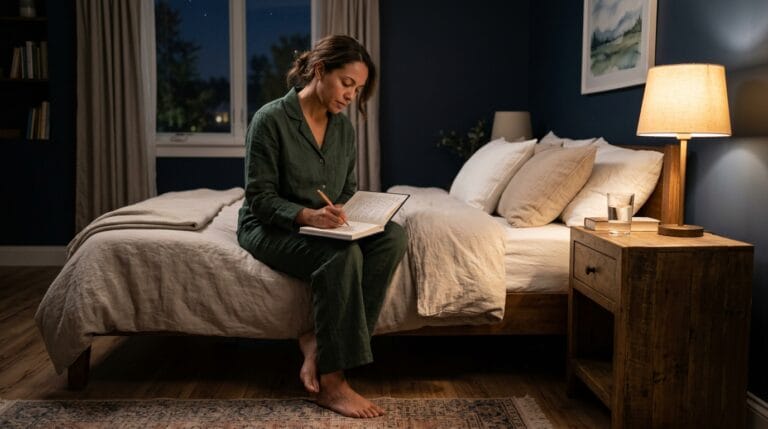
Fear of sleep after trauma is a silent injury many people do not know how to explain. From the outside, bedtime may look simple: turn off the lights, lie down, close your eyes, and rest. But for trauma survivors, nighttime can feel like the most vulnerable part of the day. The body may become alert just when it is supposed to relax. The mind may replay memories, scan for danger, or dread nightmares before they even happen.
This kind of sleep fear is not laziness, weakness, or overthinking. It can be part of a trauma response. When the nervous system has learned that danger can happen suddenly, rest may feel risky. Closing your eyes, being alone in a dark room, or losing awareness through sleep may trigger fear. Some survivors stay up late because exhaustion feels safer than surrender. Others sleep lightly, wake often, or avoid going to bed until their body gives out.
Silent Injuries readers may already understand that trauma can affect the body, emotions, relationships, and daily routines long after the original event has passed. Fear of sleep is one of those hidden effects. It may not be visible to others, but it can affect mood, work, parenting, healing, memory, and the ability to feel safe in ordinary life.
If this topic feels familiar, it may connect with your site’s broader article on trauma-related sleep problems, as well as related resources on car accident PTSD symptoms and nervous system regulation after trauma.
Why Sleep Can Feel Unsafe After Trauma
Sleep requires a certain amount of surrender. The body has to lower its guard. The mind has to release control. The room becomes quiet. Distractions fade. For someone with trauma, that quiet can feel threatening instead of peaceful. During the day, a person may stay busy enough to avoid certain memories or sensations. At night, those defenses often drop.
This is one reason bedtime can become emotionally loaded. Trauma survivors may fear nightmares, flashbacks, panic, body sensations, or waking up disoriented. Some may fear being trapped in memories. Others may fear not waking up quickly enough if something goes wrong. These fears can make the bed itself feel connected to danger, even when the current environment is safe.
The nervous system may stay on watch at night
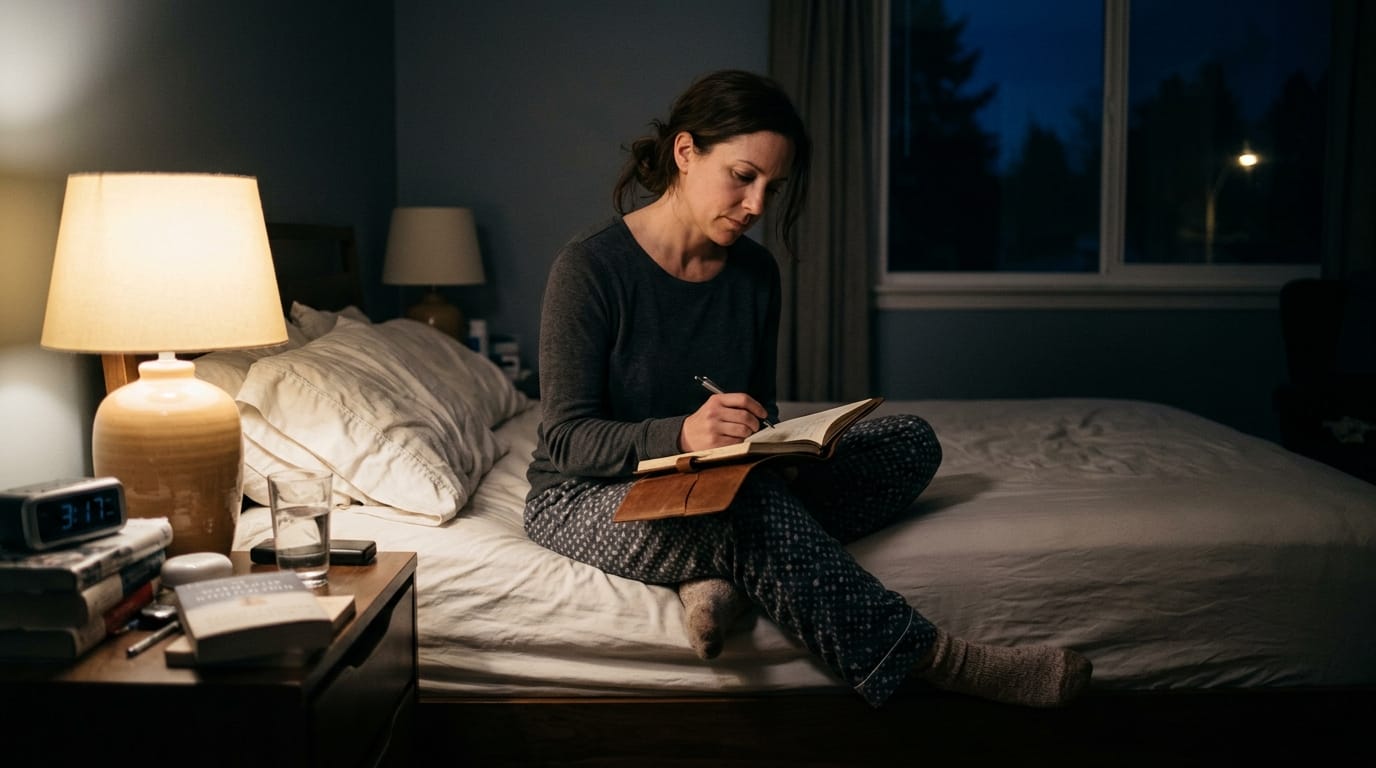
After trauma, the nervous system may become trained to scan for danger. This is sometimes called hypervigilance. At night, hypervigilance can show up as listening for sounds, checking locks repeatedly, sleeping with lights on, avoiding certain rooms, waking at small noises, or needing a phone nearby. These behaviors may look excessive to someone else, but they can feel necessary to the survivor.
The problem is that constant alertness makes deep rest difficult. The body cannot fully settle while it is still preparing for threat. Over time, this can create a cycle: poor sleep increases emotional sensitivity, emotional sensitivity increases nighttime fear, and nighttime fear makes sleep even harder.
Fear of nightmares can become its own trigger
Nightmares are one of the clearest reasons trauma survivors may fear sleep. The VA National Center for PTSD explains that both nightmares and insomnia are symptoms of PTSD. Nightmares may replay parts of the traumatic event or carry the same emotional fear in symbolic ways.
Even when a nightmare does not happen every night, the fear of having one can still keep the body awake. A person may think, “If I fall asleep, I might go back there.” That anticipation can become a trigger by itself. The survivor is not only reacting to dreams. They are reacting to the possibility of being pulled into distress while asleep.
Darkness, silence, and stillness can activate old fear
For some survivors, the problem is not only nightmares. It is the setting around sleep. Darkness may feel unsafe. Silence may make small sounds seem louder. Stillness may make body sensations harder to ignore. Being alone may bring up abandonment, helplessness, or fear of being harmed.
This is why simple advice like “just relax” often fails. Relaxation is not simple when the body associates rest with danger. Trauma-informed sleep support starts by respecting that the fear is real to the nervous system, even if the current room is safe.
How fear of sleep becomes a silent injury
Fear of sleep can stay hidden because many people are embarrassed to talk about it. They may say they are “night owls” or “bad sleepers” instead of explaining that bedtime feels frightening. They may hide how many hours they spend scrolling, cleaning, pacing, checking doors, or waiting until they are too exhausted to stay awake.
Over time, this can affect daily life. Poor sleep may worsen irritability, brain fog, emotional numbness, anxiety, depression, physical pain, immune function, and concentration. It can also make healing work harder because the brain and body need rest to process stress.
When sleep avoidance looks like productivity
Some trauma survivors avoid sleep in ways that look productive. They answer emails late at night, clean the house, organize tasks, research symptoms, watch videos, or keep working long after they are tired. To others, this may look disciplined. Internally, it may be fear.
This matters because sleep avoidance should not always be praised as ambition. Sometimes it is survival behavior. If you notice that you only feel safe resting once your body is completely depleted, that is worth paying attention to. The goal is not to shame yourself. The goal is to understand what your body may be protecting you from.
How to Rebuild Nighttime Safety After Trauma
Rebuilding nighttime safety takes patience. It is not about forcing yourself to sleep perfectly. It is about helping your body slowly learn that rest can become safer again. This may include environmental changes, grounding routines, professional support, and small choices that give you more control without feeding the fear cycle.
A trauma-informed approach begins before bedtime. Waiting until panic has already started can make sleep feel like a battle. Instead, create a transition period. This might include dimming lights, reducing distressing media, preparing clothes for the next day, stretching gently, writing worries down, or listening to calming audio. The routine should be simple enough to repeat.
For broader healing support, this connects with trauma-informed boundaries. Boundaries are not only for relationships. They can also protect your evening: fewer late-night messages, less doomscrolling, and more space for your nervous system to come down.
Gentle steps that can make bedtime feel safer
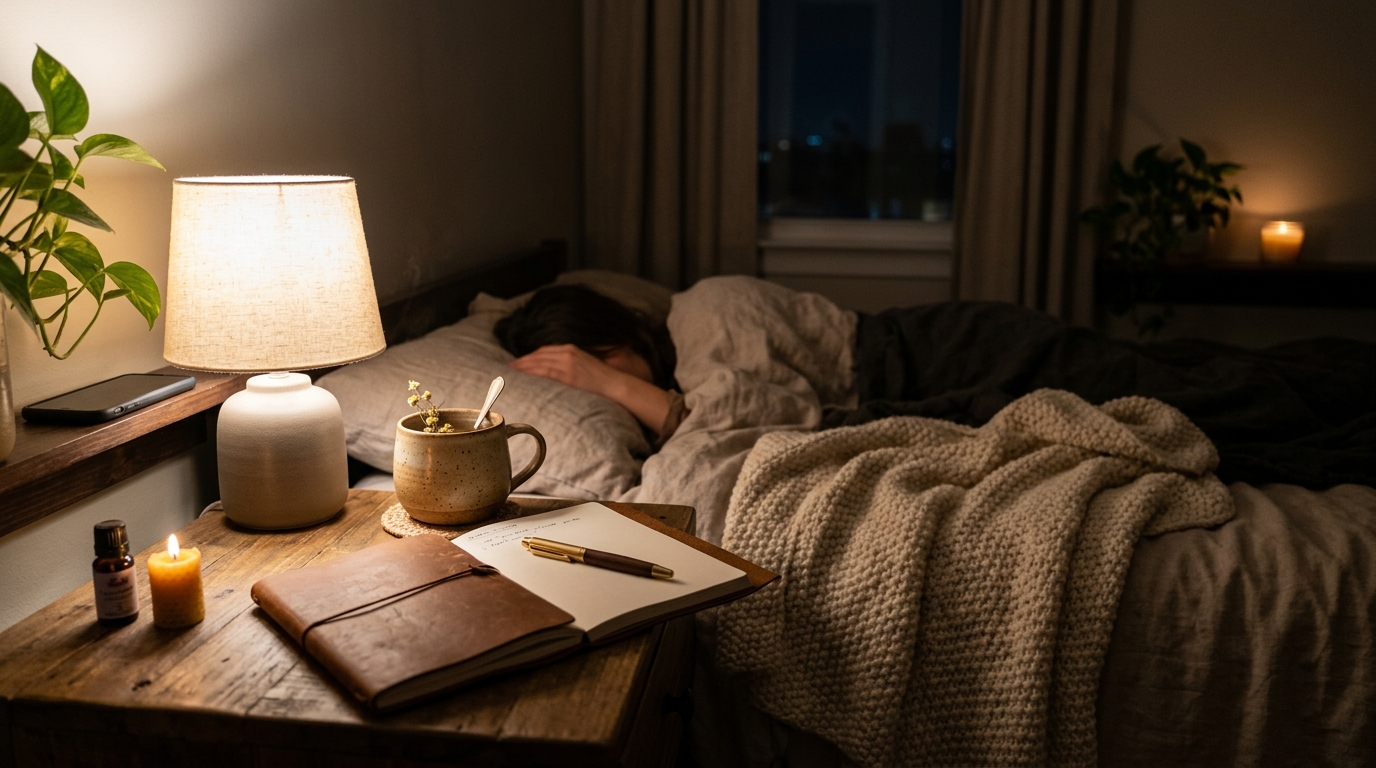
Start with your environment. Safety cues matter. Some survivors sleep better with a soft light, weighted blanket, calming scent, white noise, locked doors, or a clear path to the exit. Others feel safer when they keep water nearby, charge their phone across the room, or use a predictable bedtime playlist. These are not childish needs. They are practical ways to send the body a message: this space is protected.
Grounding can also help. Try naming five things you see, four things you feel, three things you hear, two things you smell, and one thing you can taste. This reminds the brain that it is in the present. Slow breathing may help some people, but it does not help everyone. If breathwork increases panic, use grounding through touch, sound, or sight instead.
It may also help to separate the bed from fear. If you lie awake for a long time feeling activated, consider getting up briefly and doing something quiet in dim light, such as reading a calming page, drinking water, or sitting in a safe chair. The goal is not to punish yourself into sleep. The goal is to reduce the feeling that the bed is a place where you must fight your own body.
When to seek professional help for trauma-related sleep fear
Professional help is worth considering if fear of sleep is affecting your daily life, if nightmares are frequent, if you are avoiding sleep most nights, if you wake in panic, or if trauma memories feel overwhelming. Trauma-informed therapy, CBT for insomnia, EMDR, somatic approaches, and medical evaluation may all be discussed with qualified professionals depending on your situation.
It is also important to seek help sooner if sleep issues follow a crash, injury, assault, loss, or other traumatic event and are paired with panic attacks, severe depression, dissociation, self-harm thoughts, or feeling unable to stay safe. If you are in immediate danger or may harm yourself, contact emergency services or a crisis line right away.
You can also review trusted public information from the VA National Center for PTSD sleep problems resource. It explains how insomnia and nightmares can relate to PTSD and why sleep problems deserve attention rather than dismissal.
Fear of sleep after trauma can feel lonely, but it is not rare and it is not imaginary. Your body may be trying to protect you with strategies that once made sense, even if they now leave you exhausted. Healing begins by noticing the pattern without attacking yourself for having it.
You do not have to move from fear to perfect sleep overnight. Start with one safety cue. One calmer transition. One less distressing evening habit. One honest conversation with a professional or trusted support person. Rest may not feel safe yet, but with time, care, and trauma-informed support, your nights can become less like a battlefield and more like a place to recover.
Disclaimer: This article is for general educational purposes only and is not a substitute for professional medical, mental health, legal, or crisis support. If you feel unsafe, overwhelmed, or at risk of harming yourself or someone else, contact local emergency services or a qualified crisis resource immediately.