
Readers researching holiday boundaries after trauma need practical distinctions, reliable sources and a clear next step. The answer often depends on the circumstances, what can be verified and which professional or official instructions apply. This emotional wellness & healing guide focuses on the decision points people can actually investigate, rather than promising a universal result.
A practical health guide should help readers recognize what can be observed and what requires professional evaluation. It cannot diagnose an individual or promise a recovery date. The aim is to make symptoms, safety choices and next steps easier to discuss with a qualified clinician.
Why holidays can reactivate difficult memories
Holiday boundaries after trauma can become important when family gatherings, anniversaries or seasonal traditions reconnect someone with painful experiences. A familiar song, particular room, relative’s comment or expectation to be cheerful may bring strong reactions. The experience does not mean recovery has failed. A compassionate plan focuses on safety, meaningful choice and realistic support rather than performing happiness for others. Health advice depends on symptoms, personal history, examination findings, and professional assessment. A general guide cannot diagnose a condition or replace care. New or rapidly worsening symptoms, significant pain, or sudden functional changes deserve prompt medical attention rather than an extended self-treatment experiment. For further context, review Silent Injuries emotional wellness.
Trauma responses differ from person to person. Some people feel physically tense, unusually alert, disconnected or exhausted; others notice changes in sleep or concentration. These reactions deserve attention, but they cannot be diagnosed from a seasonal checklist. It is reasonable to ask what makes an environment safer and which expectations are optional before accepting invitations. One measurement or a single good day can be misleading. Clinicians often look for patterns across time and consider medications, previous injuries, workload, and other health conditions. Write down relevant changes in ordinary language so the visit focuses on the problem rather than a perfect self-diagnosis.
Triggers can be subtle and unpredictable
SAMHSA describes trauma-informed approaches through principles that include safety, trustworthiness, collaboration and empowerment. Applied to a holiday invitation, that might mean giving someone accurate information about who will attend, respecting their decision to leave, and avoiding surprise confrontations. These ideas are supports, not guarantees that an event will feel comfortable. If a recommended exercise or routine increases symptoms substantially, stop and ask a qualified clinician how to modify it. Progress is seldom perfectly linear. A safe plan should specify both what to attempt and which symptoms mean the plan needs reassessment.
Plan arrival and exit on your terms

A boundary can be as simple as staying for one hour, declining discussion of a particular topic, or choosing a separate celebration. It does not require a detailed explanation of past events. Some families may resist changes, but the person setting a boundary still deserves the ability to decide how much to share. Immediate physical safety takes priority where abuse or threats are ongoing. Commercial devices and viral techniques can promise certainty that research has not established. Read the intended use, limitations, and professional guidance before treating a product as a substitute for evaluation. A newer tool is not automatically better for every person.
Prepare brief boundary statements
Before attending, identify one support person, a way to leave independently and a place to rest if overwhelmed. If public transport or a car ride is involved, plan how to return safely. People who feel pressured to consume alcohol or discuss private history can practice a short refusal in advance. A reliable backup plan often reduces uncertainty. The practical goal is understanding, not fear. Identify what can be observed safely at home, which questions belong at an appointment, and what records will help with follow-up. Education is most useful when it makes appropriate care easier to access.
A supportive holiday can look different from a traditional family gathering. Some people choose a community event, volunteer activity, meal with friends or quiet time alone. None is inherently more healed than another; safety and personal meaning should guide the decision.
Choice matters more than perfect attendance
Grounding techniques are not one-size-fits-all. Feeling feet against the floor, looking around the room, or taking a short outside break may help some people orient to the present. Others find a particular technique activating. Use what has been helpful before and avoid presenting breathing exercises as the cure for all trauma symptoms. Risk factors describe probabilities across groups, not destinies for individuals. An athlete or patient may improve with a simple adjustment, require longer rehabilitation, or need another assessment. Avoid comparing your timeline with a social-media success story.
When a boundary is challenged, repeating a brief sentence may be more useful than debating the entire history. For example, ‘I won’t discuss this today’ or ‘I need to leave now’ communicates a decision without inviting a courtroom-style argument. Practice in advance if speaking up feels difficult.
Build a safer plan without forcing reconciliation
Supportive friends can ask, ‘Would you like advice, company or space?’ rather than insisting that someone reconcile with a relative. Respect privacy and do not announce a survivor’s personal story at a family table. If the person declines an event, offer a lower-pressure alternative such as a short walk or a call another day. A good professional discussion includes the expected benefits, burdens, cost, and alternatives of each option. Ask how success will be measured and what the plan is if symptoms persist. Shared decisions are more realistic than assuming one approach fits everyone.
Create support before a gathering
After a gathering, recovery may include ordinary rest, eating, quiet time and checking in with a trusted person. Notice whether distress settles or continues interfering with everyday functioning. A licensed mental health professional can help tailor coping strategies and treatment options when symptoms are persistent or significant. Keep instructions and questions together: current symptoms, activities that provoke them, prior tests, relevant medications, and the next planned review. Do not start, stop, or change a prescription based on an article. Clarify uncertainties with your treating professional.
Choose grounding that feels personally safe
Consider someone invited to a dinner where a person connected with past harm will be present. They may choose not to attend, arrive with a trusted companion, or ask to meet supportive relatives elsewhere. The right plan depends on their circumstances and safety. The goal is not to force one ‘brave’ choice but to restore agency. There is value in steady, proportionate action. Protect the basics of recovery, notice meaningful changes, and obtain individualized guidance when warning signs appear. The purpose of this guide is to help you ask better questions, not to make a diagnosis.
Notice when professional support is needed
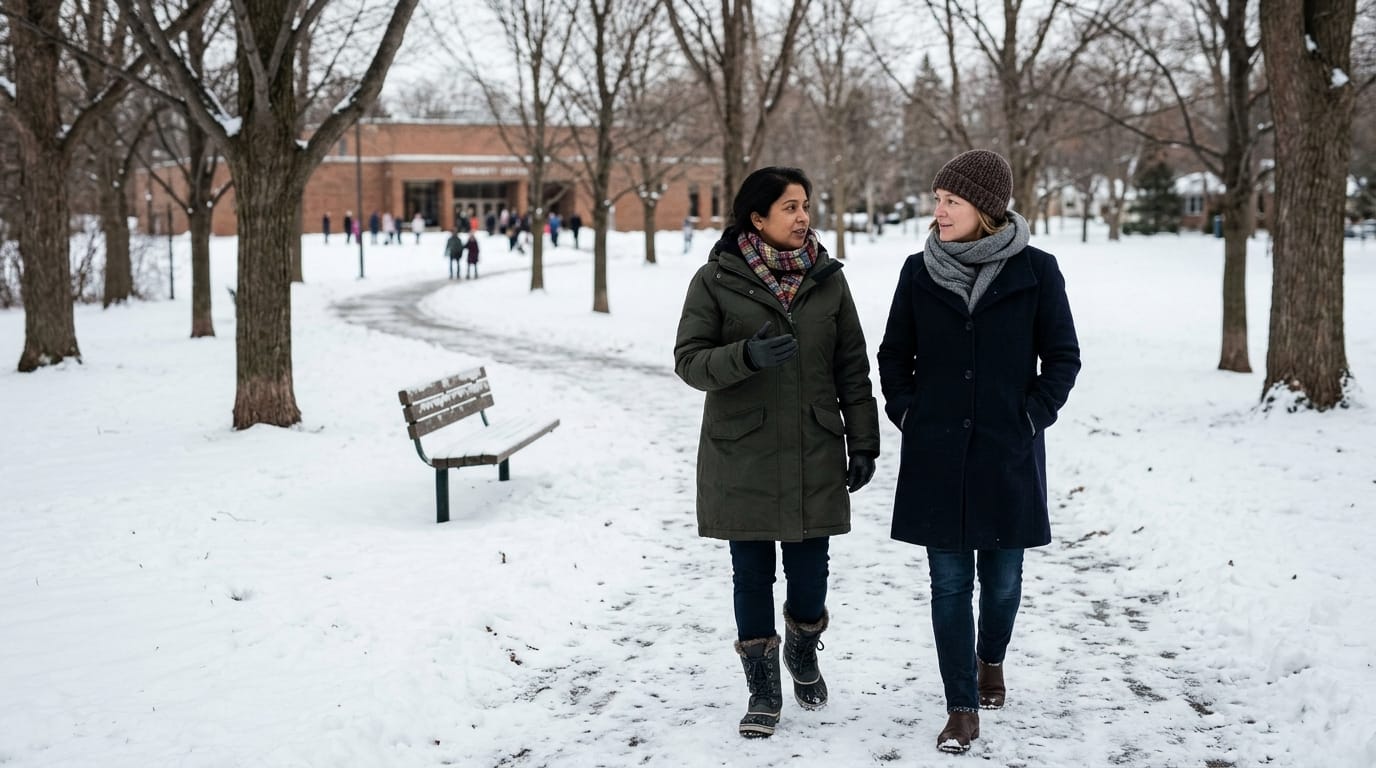
People supporting survivors should avoid imposing an emotional timetable. Reassurance can become pressure if it demands forgiveness or attendance. Offering concrete options, respecting a refusal and following through on a promised ride or check-in can be more helpful than dramatic advice.
If someone is in immediate danger from an abusive person, a seasonal boundary checklist is not enough. Prioritize a personalized safety plan and contact trusted local services or emergency help as appropriate. For less urgent emotional triggers, therapy and supportive relationships can provide space to explore options without forcing a confrontation during a holiday event.
Questions for your appointment: What findings support the working diagnosis? Which symptoms should prompt urgent contact? How will improvement be measured? Which activities or medicines need professional supervision? A written answer to each question can make follow-up care easier to understand and safer to carry out.
For authoritative context, consult SAMHSA trauma-informed principles. Its scope and limitations should be considered alongside the specific facts; the link is not a substitute for professional or local instructions.
The useful next step is a proportionate plan: document what you notice, follow credible professional instructions, and arrange reassessment if symptoms worsen or progress stalls. Education should improve questions and decisions, not substitute for an examination. Seek urgent help when serious warning signs occur.