
Trauma-related nightmares and sleep problems can be among the most exhausting effects of an invisible emotional injury. A person may appear calm throughout the day but struggle to sleep at night. Disturbing dreams, sudden awakenings, racing thoughts, and fear of falling asleep can interfere with rest long after a frightening experience has ended.
In 2026, researchers continue examining how post-traumatic stress affects sleep and which treatments can provide meaningful relief. A 2026 edition of the U.S. Department of Veterans Affairs’ PTSD Research Quarterly reviewed evidence involving insomnia, recurring nightmares, cognitive behavioral therapy, and specialized approaches to nightmare treatment.
These findings are important because sleep disturbances are not always resolved simply by addressing other trauma symptoms. Some people need targeted sleep assessment and treatment alongside broader emotional support.
At Silent Injuries, we explore how emotional wounds can affect daily life without leaving visible marks. Our guide to understanding the unseen impact of trauma explains why emotional suffering deserves recognition and appropriate care.
This article examines why traumatic experiences can interfere with sleep, how nightmares and insomnia affect recovery, and which evidence-based approaches may help people rebuild healthier sleep patterns.
Why Trauma Can Cause Nightmares, Insomnia, and Restless Sleep
After a traumatic event, the brain and body may remain unusually sensitive to reminders of danger. A person might experience heightened alertness, difficulty relaxing, intrusive memories, or intense emotional reactions.
These experiences can affect sleep. Someone who feels watchful throughout the evening may struggle to settle into bed. Others fall asleep easily but wake repeatedly or experience distressing dreams.
Not everyone who experiences trauma develops post-traumatic stress disorder, or PTSD. Temporary sleep disruption can occur after frightening events without meeting the criteria for a psychiatric diagnosis.
However, persistent symptoms that interfere with functioning deserve professional assessment. Chronic insomnia may also occur independently of PTSD, and medical conditions, medication effects, or other mental health concerns can contribute to poor sleep.
How trauma-related hyperarousal affects sleep
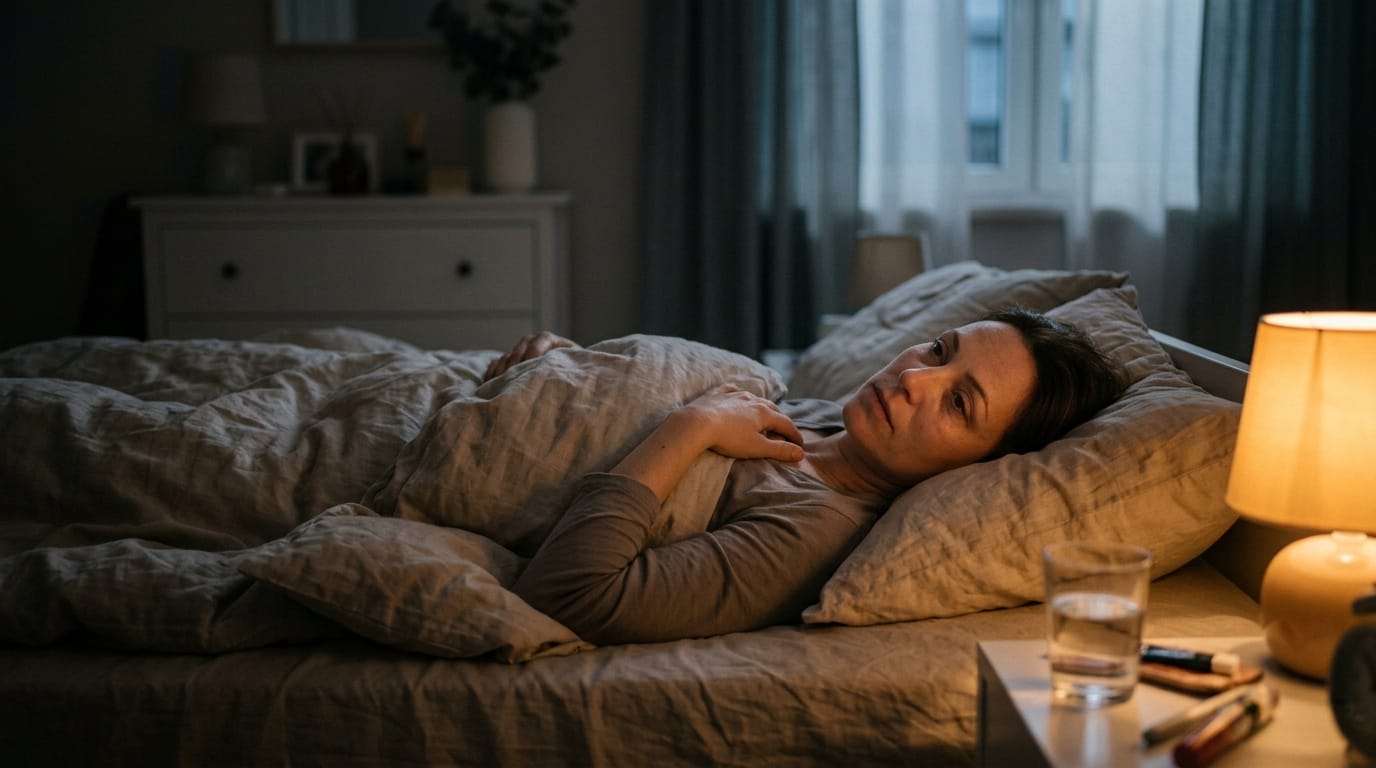
Hyperarousal describes a state of increased alertness that can accompany traumatic stress. People may feel easily startled, unusually watchful, or unable to relax even in familiar environments.
At bedtime, this heightened awareness can become especially noticeable. Everyday sounds may feel threatening. A quiet room may provide fewer distractions from distressing thoughts.
Some individuals begin associating bedtime with worry about another nightmare. This anticipation can make sleep more difficult and create a cycle in which fear of poor sleep becomes another source of stress.
Importantly, sleep difficulties are not proof that someone has PTSD. A qualified clinician considers the complete pattern of symptoms, their duration, and their effect on daily life.
Why the nervous system may remain alert after danger has passed
The body’s stress response helps people react to challenging situations. During an emergency, changes in attention, breathing, and heart rate can support immediate action.
After some traumatic experiences, heightened alertness may persist even when there is no immediate threat. This can contribute to muscle tension, restlessness, and difficulty transitioning into sleep.
Predictable routines and supportive environments may help reduce some of these difficulties. However, trauma-related hyperarousal sometimes requires structured treatment rather than relaxation techniques alone.
Our article on complex trauma and hidden emotional wounds explores how repeated adverse experiences can influence emotional regulation and daily functioning.
Why nightmares can feel different from ordinary bad dreams
An occasional unpleasant dream is common and does not necessarily indicate a mental health condition. Trauma-related nightmares may involve repeated themes of danger, helplessness, or threatening situations.
Some dreams recreate aspects of the traumatic experience. Others contain different events but produce similar feelings of fear or distress.
People may wake suddenly with a racing heartbeat, sweating, or difficulty returning to sleep. Repeated episodes can eventually lead to anxiety about bedtime.
Nightmares can also occur because of medications, sleep disorders, stress, and other health conditions. Their meaning should not be determined solely from dream content.
How disrupted sleep can affect emotional and physical health
Sleep plays an important role in attention, memory, emotional regulation, and general well-being. When rest becomes fragmented, ordinary activities may feel more demanding.
People experiencing persistent insomnia may notice irritability, concentration problems, fatigue, or difficulty making decisions. Some report feeling emotionally overwhelmed by situations that previously seemed manageable.
Sleep loss can also complicate recovery from physical injuries. Pain may disrupt rest, while poor sleep can make coping with discomfort more difficult.
For people recovering from motor vehicle collisions, physical symptoms and emotional stress sometimes overlap. Our article on PTSD symptoms after a car accident discusses how traumatic experiences can affect driving confidence, emotions, and everyday routines.
When recurring nightmares or insomnia deserve professional help
Consider seeking professional evaluation when sleep problems persist, cause significant distress, or interfere with work, relationships, school, or other responsibilities.
Frequent nightmares, chronic difficulty falling asleep, excessive daytime sleepiness, and persistent fear surrounding bedtime may justify a more detailed assessment.
Symptoms such as loud snoring, witnessed breathing pauses, or unexplained daytime sleepiness may suggest an additional sleep disorder that requires medical attention.
If sleep loss contributes to thoughts of self-harm or an immediate safety concern, seek urgent professional or emergency support.
The goal of assessment is to identify treatable problems and determine an appropriate plan, not to assume every sleep difficulty has the same cause.
Evidence-Based Ways to Improve Sleep After Trauma in 2026
Improving trauma-related sleep often requires addressing both nighttime symptoms and the broader effects of traumatic stress.
Simple habits, such as maintaining a consistent wake time and creating a comfortable sleeping environment, can support general sleep health. However, chronic insomnia frequently benefits from structured treatment.
One recommended approach is cognitive behavioral therapy for insomnia, commonly called CBT-I. This treatment helps people identify and change patterns of thinking and behavior that maintain sleep difficulties.
CBT-I is different from general sleep hygiene advice. It is a structured therapeutic approach that can include sleep scheduling, stimulus control, cognitive strategies, and other techniques selected by a trained professional.
The VA’s National Center for PTSD identifies CBT-I as a first-line treatment for chronic insomnia and explains that it can be delivered through individual appointments, groups, and certain telehealth programs.
CBT-I, imagery rehearsal therapy, and other treatment options

For recurring trauma-related nightmares, imagery rehearsal therapy, or IRT, may be considered. This approach involves developing an alternative version of a distressing dream and mentally rehearsing the new scenario while awake.
The goal is to reduce the frequency or distress associated with nightmares. It does not require someone to prove that a dream has one hidden meaning or to recreate the traumatic event in detail.
The American Academy of Sleep Medicine recommends imagery rehearsal therapy for nightmare disorder and PTSD-associated nightmares. However, professional guidelines differ regarding the strength of evidence for specific treatments in certain populations.
Medications may also be considered in selected cases, but benefits and risks require individualized evaluation. Prazosin, for example, has produced mixed findings across clinical studies, and it should not be presented as an effective treatment for everyone.
How to build a supportive nighttime routine without forcing sleep
A consistent wake time, comfortable bedroom temperature, and reduction of disruptive light or noise may help support sleep. People can also limit stimulating activities when they notice those activities interfere with rest.
However, trying too hard to force sleep can sometimes increase frustration. A structured insomnia treatment plan may help address the relationship between bedtime, wakefulness, and anxiety.
When trauma reminders make a bedroom feel uncomfortable, a therapist can help identify practical adjustments without reinforcing unnecessary avoidance.
Sleep trackers may provide general patterns, but they cannot diagnose PTSD, nightmares, or chronic insomnia. Some people become more worried when they repeatedly monitor sleep scores.
Personal observations about sleep quality and daytime functioning can be useful without requiring constant measurement.
Our guide to EMDR therapy for trauma discusses another evidence-based treatment approach that may be appropriate when distressing memories remain a significant concern.
EMDR and CBT-I address different treatment goals. A clinician may recommend one approach, another approach, or coordinated care depending on the person’s symptoms.
For official information about sleep treatment and PTSD, read the VA National Center for PTSD guide to sleep problems and treatment.
The VA’s 2026 research review also highlights the continuing need to study how sleep-focused care can be integrated with broader PTSD treatment. Research findings are promising, but no single therapy works identically for everyone.
People receiving trauma-focused care should tell their clinician about persistent nightmares, fear of sleep, and daytime exhaustion. These symptoms deserve attention even when other emotional difficulties have improved.
Family members and trusted supporters may help by respecting sleep difficulties and avoiding judgment. They can encourage appropriate assessment without pressuring someone to disclose traumatic memories before they are ready.
Recovery is not always linear. Some people experience better sleep before other symptoms improve, while others continue to struggle with nightmares despite meaningful emotional progress.
Tracking symptoms over time can support discussions with a clinician. Helpful observations may include approximate sleep duration, nightmare frequency, daytime fatigue, and changes after beginning treatment.
These notes do not need to become a stressful daily assignment. Their purpose is to support informed decisions, not measure personal success or failure.
Trauma-related nightmares and sleep problems in 2026 deserve recognition as important aspects of invisible injury recovery. Sleep difficulties can affect concentration, mood, relationships, and daily functioning, even when no physical wound is visible.
Evidence-based approaches such as CBT-I and imagery rehearsal therapy offer options that individuals can discuss with qualified professionals. Appropriate treatment should address personal circumstances, safety, medical concerns, and preferences.
Understanding the relationship between trauma and sleep can help people recognize persistent symptoms and seek care suited to their needs.
Medical disclaimer: This article provides general educational information and does not diagnose PTSD or any sleep disorder. Consult a qualified healthcare or mental health professional for individualized assessment and treatment.