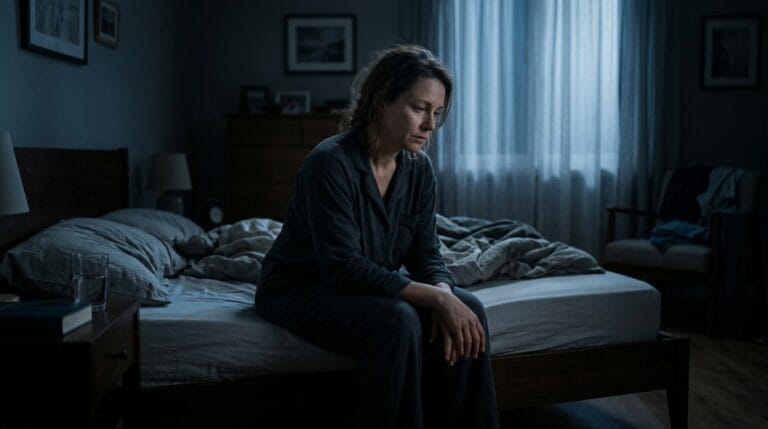
Trauma-related sleep problems 2026 are becoming an important healing conversation because many people look functional during the day while struggling quietly at night. They may work, care for family, answer messages, and keep routines moving. Then bedtime arrives, and the body does not feel safe enough to rest.
Sleep can become one of the clearest places where silent injuries show up. A person may feel exhausted but unable to fall asleep. They may wake up from nightmares, scan the room for danger, keep lights on, or avoid sleep because nighttime feels too vulnerable. These patterns can look invisible from the outside, but they can affect mood, memory, relationships, work, and daily resilience.
For readers of Silent Injuries, this topic fits naturally with hidden trauma, emotional wellness, and recovery. Trauma does not always announce itself with visible wounds. Sometimes it appears as a body that cannot relax, a mind that will not stop replaying, or a nervous system that treats the bedroom like a place to stay alert.
This article explains why trauma-related sleep problems 2026 deserve attention, how nightmares and insomnia can become silent injuries, and what gentle first steps may help. It is for general education only and does not replace care from a qualified mental health or medical professional.
Why Trauma Can Make Sleep Feel Unsafe
Sleep requires surrender. The body has to soften. The mind has to loosen control. For someone carrying trauma, that can feel difficult or even threatening. The person may not consciously think, “I am unsafe,” but the body may act as if danger could return at any moment.
This can happen after one overwhelming event. It can also develop after repeated stress, emotional harm, violence, loss, digital harassment, workplace trauma, or long periods of instability. Over time, the nervous system may learn to stay ready instead of resting fully.
That pattern connects with several Silent Injuries topics. Readers who want a broader foundation can start with Recognizing the Unseen: How to Identify Silent Injuries After Trauma. Those dealing with layered or long-term harm may also benefit from Complex Trauma in 2026.
Insomnia Is Not Always Just a Bad Sleep Habit
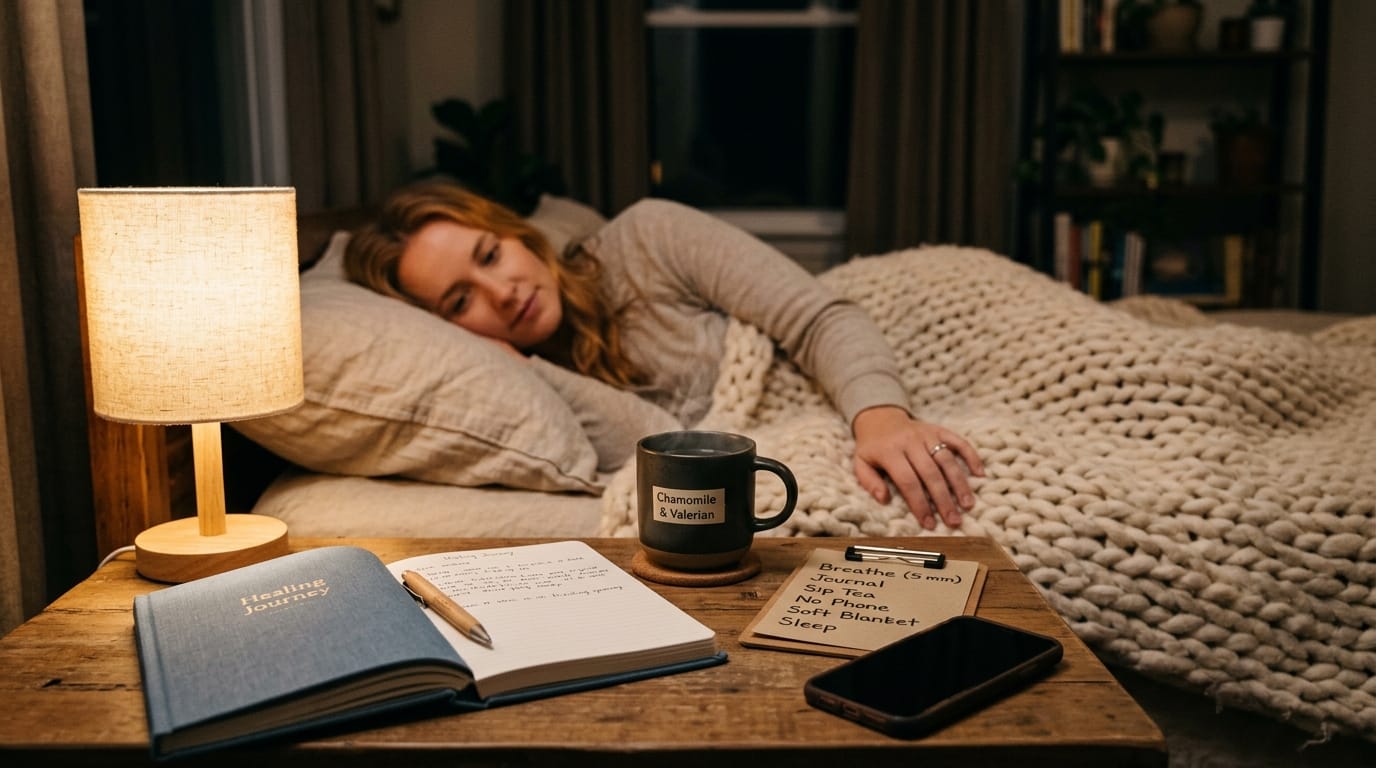
Many people blame themselves for insomnia. They think they need more discipline, a better pillow, less caffeine, or a stricter bedtime. Those changes may help, but trauma-related insomnia often goes deeper than routine.
When trauma keeps the body on alert, sleep can feel like losing control. A person may lie down and suddenly notice every sound. Thoughts may speed up. Muscles may tighten. The heart may beat faster. Even if the room is quiet, the body may prepare for threat.
This is why ordinary sleep advice can feel frustrating. A warm bath or dim light may support rest, but it may not fully calm a system that has learned to protect itself by staying awake.
Hypervigilance Can Follow You Into Bed
Hypervigilance means the body and mind keep scanning for danger. At night, it may show up as checking locks repeatedly, sleeping lightly, needing background noise, keeping a light on, or waking at small sounds.
These behaviors often make sense as survival responses. The problem is that they can continue even when the immediate threat has passed. Over time, constant alertness can create exhaustion, irritability, brain fog, and emotional numbness.
Nightmares Can Keep the Body in Survival Mode
Nightmares after trauma can feel different from ordinary bad dreams. They may replay parts of the trauma, echo its emotions, or leave the person waking with panic, shame, anger, or helplessness.
After a nightmare, the body may need time to understand that the danger is not happening now. Some people sit awake for hours afterward. Others avoid sleep the next night because they fear going back into the same experience.
How Poor Sleep Becomes a Silent Injury During the Day
The effects of trauma-related sleep problems do not stay in the bedroom. Poor sleep can affect concentration, patience, appetite, pain sensitivity, memory, and emotional control. A person may look fine but feel like they are moving through the day with half their energy.
This can create more self-blame. Someone may wonder why they are so reactive, forgetful, or detached. They may think they are weak when their body is actually sleep-deprived and overactivated.
Sleep disruption can also make other hidden wounds louder. Digital overload may feel worse. Relationship stress may feel harder to manage. Work may feel more overwhelming. Silent Injuries readers may find related context in Digital Overload and Hidden Trauma and Vicarious Trauma in 2026.
Fatigue Can Look Like Anxiety, Anger, or Numbness
Trauma-related fatigue does not always look like sleepiness. It can look like snapping at people, avoiding messages, crying easily, feeling flat, or struggling to make simple decisions.
That matters because people often judge the behavior without seeing the exhaustion underneath. When sleep has been unsafe for weeks or months, the whole system pays a price.
Gentle Ways to Support Sleep After Trauma
Healing sleep after trauma starts with safety, not pressure. Telling yourself to “just relax” often makes the body feel more judged. A better first step is to build a small nighttime rhythm that tells the nervous system, again and again, that the day is ending.
Start with a predictable wind-down. Lower lights. Reduce distressing content. Put the phone away earlier if possible. Keep the room cool and calm. Use a simple cue, such as journaling one sentence, stretching gently, or placing both feet on the floor and naming five things you can see.
For some people, body-based tools help more than thinking tools. Slow breathing, grounding, progressive muscle relaxation, or gentle movement may give the body a clearer signal than trying to reason with fear at midnight. Silent Injuries also has related reading on EMDR Therapy for Trauma, especially for readers exploring structured trauma treatment.
When to Seek More Support
Self-care can help, but it is not always enough. Consider reaching out to a qualified professional if nightmares, insomnia, panic, avoidance, or daytime exhaustion continue for weeks, disrupt work or relationships, or make you feel unsafe.
Professional support may include trauma-informed therapy, sleep-focused treatment, medical evaluation, medication discussion, or a combination of approaches. Some people need help addressing the trauma directly. Others need help stabilizing sleep first so they have enough capacity for deeper work.
A support network can also matter. Isolation can make nighttime fear feel bigger. Trusted people, safe routines, and gentle accountability can help recovery feel less lonely. Readers may find the article Building a Support Network: Finding Strength in Community useful as a next step.
A Safer Sleep Plan Should Be Gentle, Not Perfect
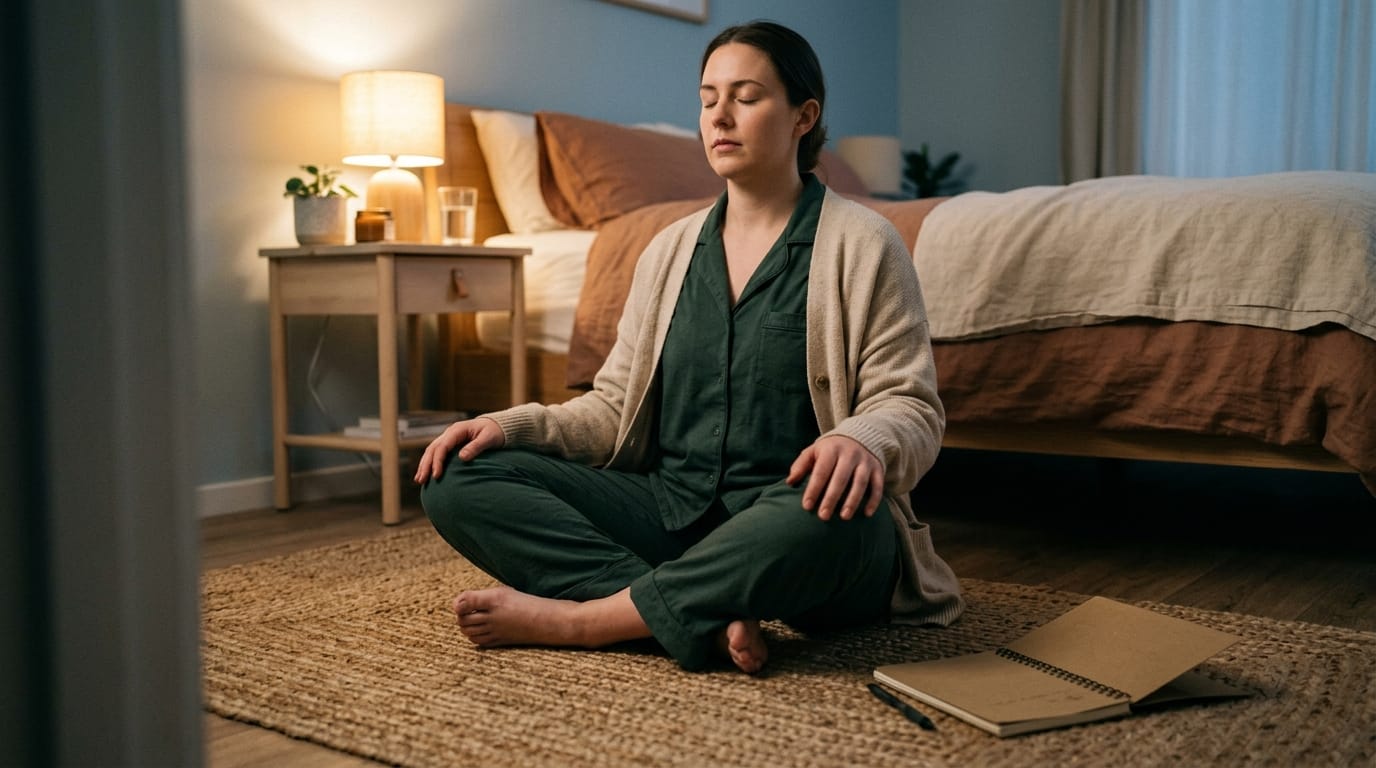
A trauma-informed sleep plan should not demand perfection. Some nights will still be hard. The goal is not to force instant calm. The goal is to create small signals of safety and repeat them often enough that the body slowly learns another rhythm.
For an authoritative outside resource, the U.S. Department of Veterans Affairs offers information on PTSD-related sleep problems and its Insomnia Coach app, which provides education and self-care tools for sleep. This kind of resource can support learning, but it should not replace professional care when symptoms feel severe or unsafe.
Trauma-related sleep problems 2026 are not just nighttime inconveniences. They can become silent injuries that shape energy, trust, mood, health, and connection. If your body struggles to rest after trauma, that does not mean you are failing. It means your system may still be trying to protect you.
Healing begins with noticing the pattern without shame. From there, small routines, grounding tools, safer support, and trauma-informed care can help sleep become less like a battlefield and more like a place where recovery can slowly return.